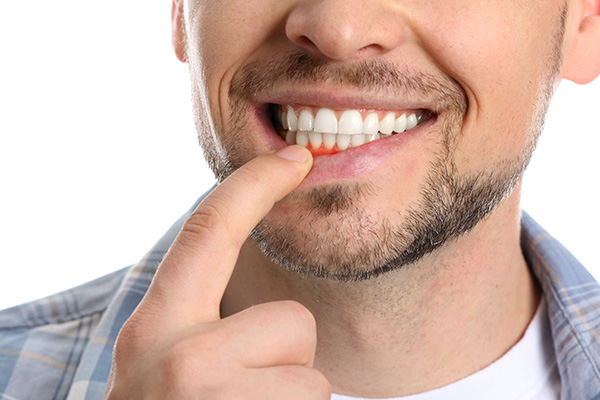
 A general dentist can help you with gingivitis. Gingivitis is the early stage of periodontitis. Treatment must happen right away to stop it from progressing. If you want to know how your general dentist can treat your gingivitis, here are the details.
The diagnosis
The general dentist will review the patient’s medical and dental history. This will tell the dentist about any conditions contributing to the patient’s symptoms. A physical examination of the patient’s tongue, teeth, and gums follows. The dentist will also measure the gum pocket depth of the groove between the teeth and the gums. This is possible by placing a dental probe beneath the gumline beside the tooth.
Dental X-rays will also be part of the dentist’s examination. This will help check for bone loss in the deeper pockets. The dentist may also recommend a medical evaluation to see if the patient has underlying health concerns. This will make the dentist’s diagnosis clearer.
Scaling
Here, the general dentist removes dental calculus and plaque between the base of the crowns and between gums. This is possible with an ultrasonic instrument or manually with a small metal tool. These techniques can loosen plaque and tartar. The scaler must be in the gum pocket with its bevel between 45 and 90 degrees to the patient’s tooth. The dentist will then scrape in a circular, horizontal, or vertical motion.
Root planing
Gingivitis targets the dentin, cementum, or both. Root planing smoothens the rough surfaces. The dentist cleans well below the gumline, scraping the plaque and tartar on the dental roots. Root planing removes the cementum. The cementum is the hard film covering of the tooth root. This treatment may also remove a thin layer of dentin.
Professional brushing and flossing
Routine professional brushing from a general dentist removes all traces of bacteria, plaque, and tartar. A heavy-duty electric toothbrush moves in a circular motion all over the patient’s teeth. It is effective in dislodging any leftover tartar, plaque, and food particles. The dentist uses gritty toothpaste, which removes superficial staining. This toothpaste polishes the teeth as well. The dentist will floss the patient’s teeth after.
Dental restorations (if applicable)
Dental misalignment or ill-fitting dental restorations can irritate gums. This makes it difficult for the general dentist to remove plaque, tartar, and food particles. The dentist can correct any restorations or misalignment. These treatments can help reduce and even prevent gingivitis.
Continuous oral care and dental checks
Gingivitis often clears up on its own. This is possible by continuing proper oral care at home and seeing the general dentist for routine dental cleanings. Brushing and flossing daily can reduce and prevent gingivitis. Using fluoride mouthwash also helps.
You can keep gingivitis at bay with the help of your general dentist
Gum health depends on your dental health. Good oral hygiene at home is a good way to maintain dental health. Seeing your general dentist for regular professional dental cleaning is also helpful. These practices can help keep gingivitis from taking over.
Request an appointment or call Glassman Dental Care at 212-786-6884 for an appointment in our New York office.
Related Posts
A general dentist is one of your first lines of defense against gum disease through preventive treatment. With biannual dental cleanings and professional treatments, a dentist can help you avoid tooth loss and invasive procedures. This professional dental care can give you a leg up in the fight against gum disease and help you maintain…
A healthy smile is essential for overall health and well-being. A general dentist can help maintain and improve oral health through preventive care and restorative treatments. They offer comprehensive care to ensure your teeth and gums remain healthy and happy.One of the primary responsibilities of a general dentist is preventive care. The American Dental Association…
General dentistry services offer a wide range of care for patients. Your dentist will focus on diagnosing, treating, and preventing different conditions. Some of these include tooth decay, gum disease, and damaged teeth. You may need tooth repair to address issues such as chips, fractures, and cracks. If the dentist determines that your teeth are…