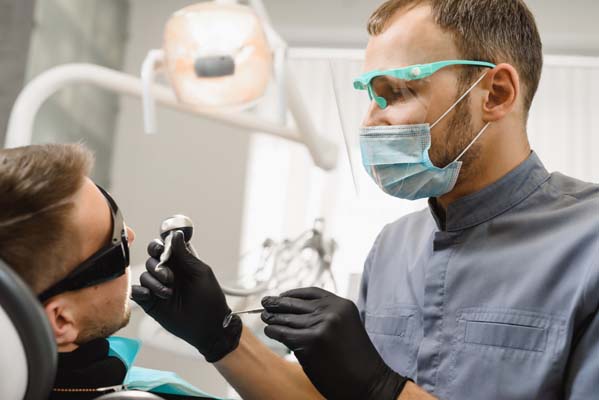
The Dos and Don’ts After Tooth Extraction
is a common dental procedure that may be necessary for various reasons, including decay, infection, or overcrowding. After undergoing a tooth extraction, it is crucial to follow proper care instructions to ensure a smooth and successful healing process. Understanding the dos and don'ts after a tooth extraction can help prevent complications, reduce pain, and promote faster healing.
Dos after tooth extraction
According to the Cleveland Clinic, healing times can vary for each patient after tooth extractions, but most patients return to normal activity within 72 hours. Their bone and socket may take several weeks to heal. In this time, patients will want to follow a few yet crucial steps to ensure a smooth recovery and to minimize the risk of infection or other complications. They are as follows:
- Rest and elevate the head. The dentist will provide patients with a doctor's note to help excuse them from work or school, as resting for the first 48 to 72 hours is crucial for recovery. Avoiding strenuous physical activities and keeping the head elevated can help the body focus on healing, reduce swelling, and promote blood circulation.
- Apply cold compresses. Swelling is common after tooth extraction; therefore, patients should apply cold compresses in 15- to 20-minute increments within the first 24 hours post-surgery to reduce discomfort.
- Maintain oral hygiene. To avoid infections, patients should gently rinse their mouths with lukewarm saltwater multiple times a day to reduce bacteria and promote healing. Be sure to avoid brushing directly on or near the extraction site for a few days to avoid irritation.
- Adopt a soft diet. After tooth extraction, patients should follow a soft-food diet for the first few days to prevent irritating the extraction site. Foods such as yogurt, mashed potatoes, protein shakes, smoothies, and scrambled eggs are good options.
Note that this list is not exhaustive. Certain patients with underlying health conditions, such as diabetes, may require additional instructions. However, the dentist will provide these at the time of the appointment.
Don'ts after tooth extraction
While following proper aftercare instructions is essential, it is also important to be aware of certain actions to avoid after a tooth extraction. The following don'ts will help prevent complications:
- Do not smoke. Smoking after a tooth extraction can inhibit healing, and the suction created by healing can dislodge the blood clot that forms in the extraction site, leading to a painful condition called dry socket.
- Do not drink through a straw. Using a straw can create suction in the mouth, which can dislodge the blood clot at the extraction site. Again, this can cause dry socket and significantly delay the healing process.
- Do not touch the extraction site. Patients must avoid touching the extraction site with objects, their fingers, or tongue, as this can introduce bacteria and cause infection.
- Do not eat spicy foods. Hot foods and drinks can increase swelling and discomfort, especially during the initial healing period. Spicy or heavily-seasoned foods may irritate the extraction site and cause discomfort.
Again, if patients have an underlying medical condition, the dentist may recommend further instructions, such as which medications are appropriate and which are not during recovery.
Call us for more information
Tooth extraction can be an essential procedure for maintaining overall oral health. However, it is crucial to follow proper guidelines. For more information about the tooth extraction procedure or to learn about the necessary steps for recovery, do not hesitate to contact our office.
Request an appointment here: https://www.glassmandentalcare.com or call Glassman Dental Care at (212) 787-4860 for an appointment in our New York office.
Check out what others are saying about our dental services on Yelp: .
Related Posts
Your general dentist understands the value of your teeth and their appearance. Over time, your teeth may change color, shape, or stability. Proper treatments can help you regain the optimal look of your teeth. If you want to find out how your general dentist can help, here are the details.These two treatments can correct the…
People often ask general dentists about sugar. You might be wondering if you can eat sugar or if you must avoid sugar completely to have good oral health. There is a lot of information out there about how sugar is bad for your teeth, but do general dentists recommend avoiding sugar completely? Here is some…
In general dentistry, there are many reasons for tooth extractions. Your dentist might be talking to you about extracting one or more teeth. Dentists will try to preserve your natural teeth, but in some cases, you will have improved oral health if you get the tooth removed. Here are some common reasons why a dentist…
A general dentist can help you rejuvenate your smile. Procedures in cosmetic dentistry aim to improve the esthetic value of one’s smile. Healthy-looking teeth and gums can enhance your self-image. This can do wonders for your personal and professional life. If you want to know what common cosmetic procedures your general dentist can provide, here…